VISIT OUR DISTILLERY / MUSEUM
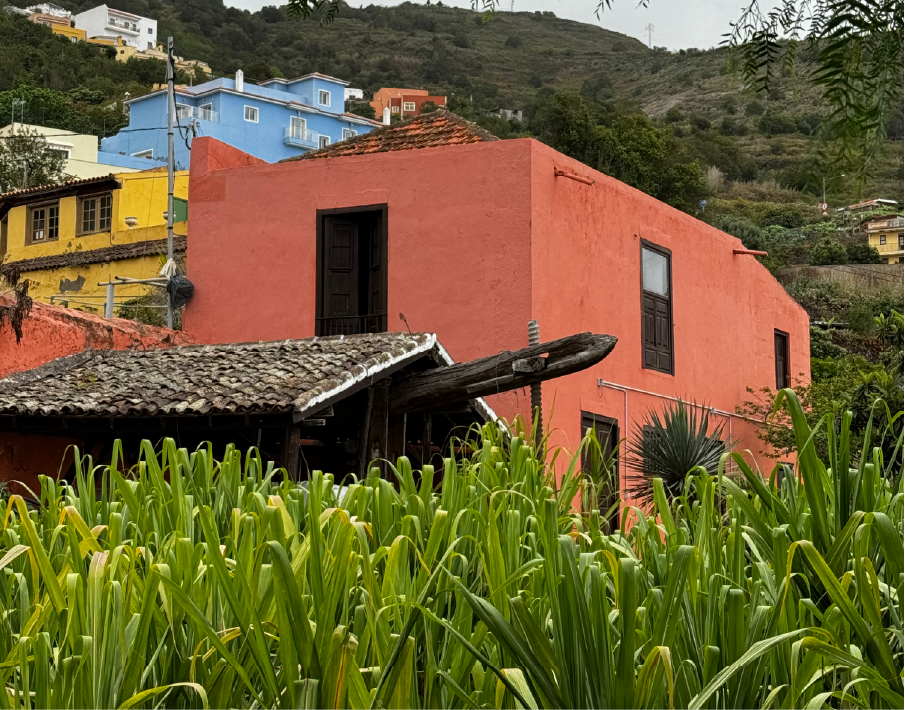
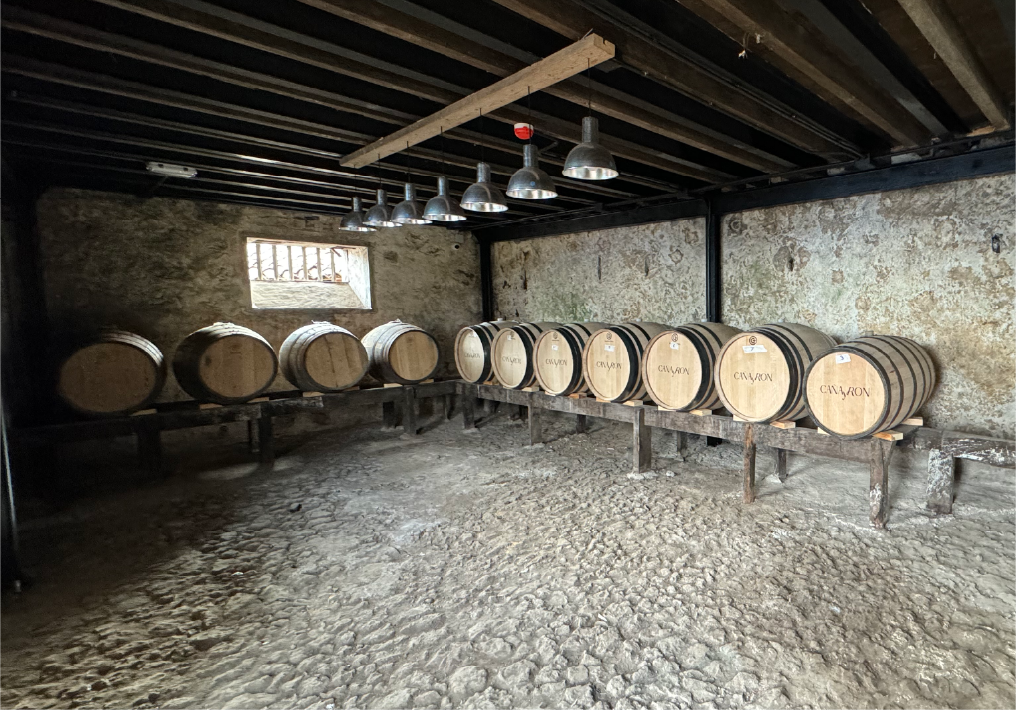
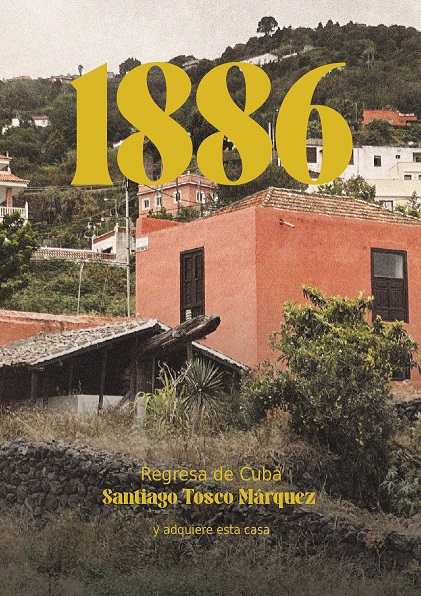
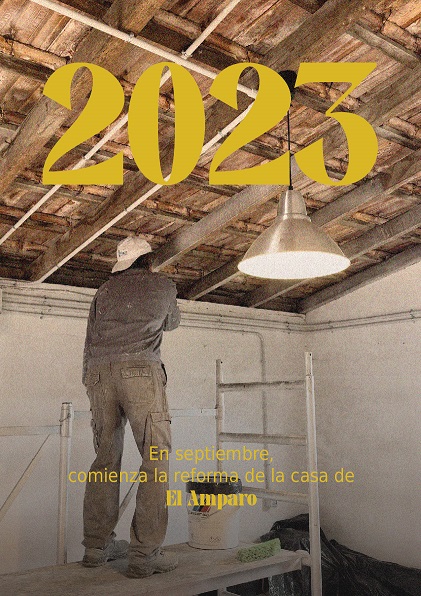
An 1885 property has been purchased with 6.000m2 of land, where our rum headquarters will be.
A still, barrels and all the necessary equipment to obtain the final product will be installed in a centre that will be open to visitors, both the general public and tourists who wish to visit and learn about rum-making, with the tourist visits generating a large part of the income for this small craft rum initiative.
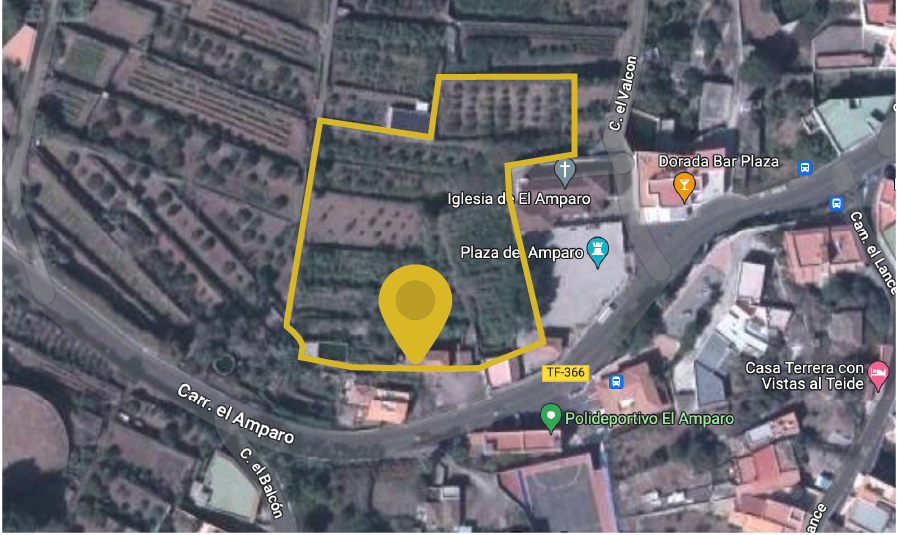
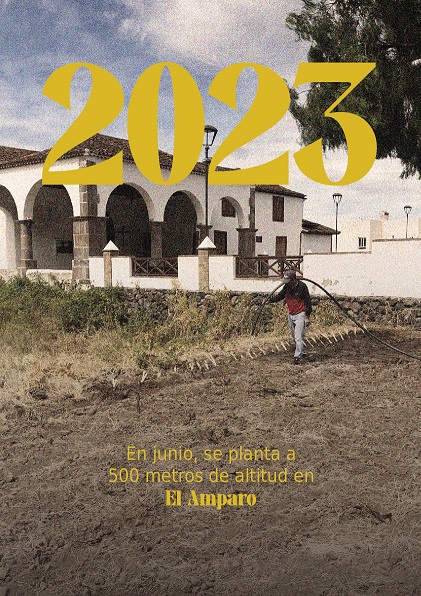
This house is in the Amparo area in the upper part of Icod, where we have also planted sugar cane, right next to the historic Amparo church.
This is now our house, and its history.
VISIT OUR DISTILLERY / MUSEUM
An 1885 property has been purchased with 6.000m2 of land, where our rum headquarters will be.
A still, barrels and all the necessary equipment to obtain the final product will be installed in a centre that will be open to visitors, both the general public and tourists who wish to visit and learn about rum-making, with the tourist visits generating a large part of the income for this small craft rum initiative.
This house is in the Amparo area in the upper part of Icod, where we have also planted sugar cane, right next to the historic Amparo church.
This is now our house, and its history.
THE STILL
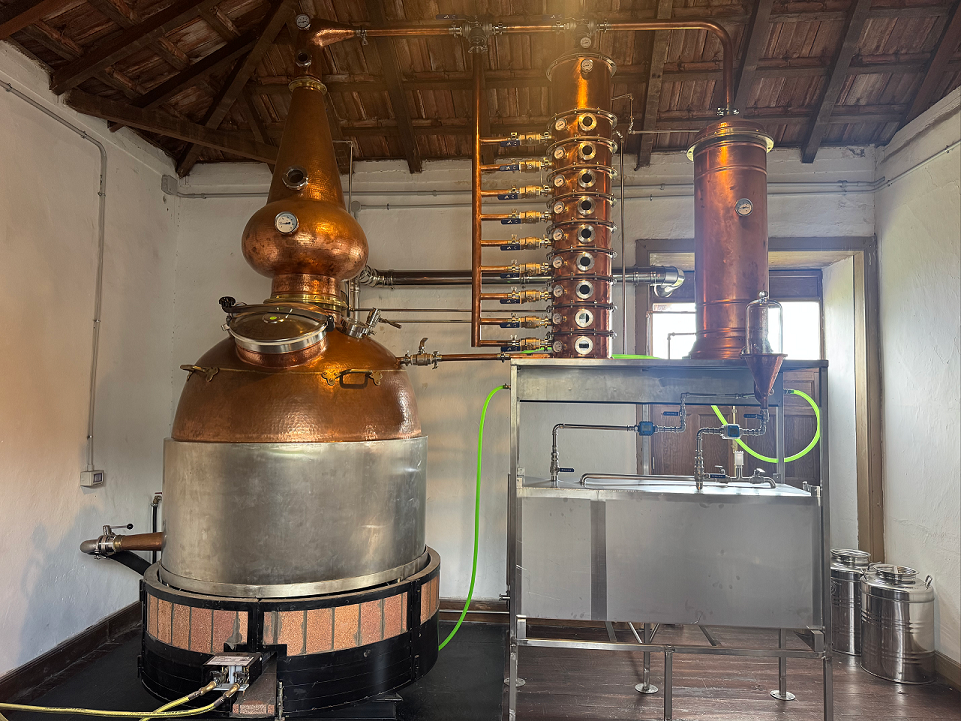
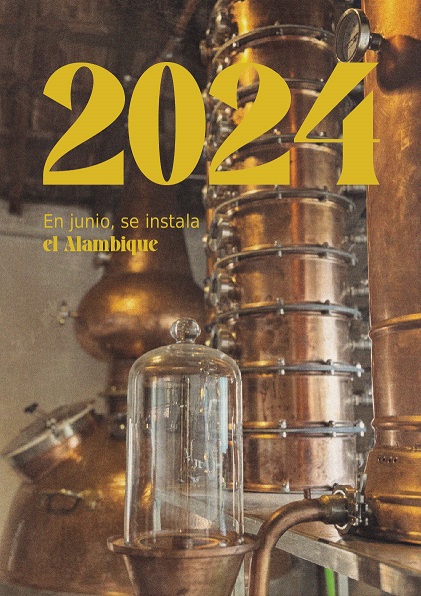
We have already installed our 1000 litre capacity still with a rectification column.
THE PROJECT
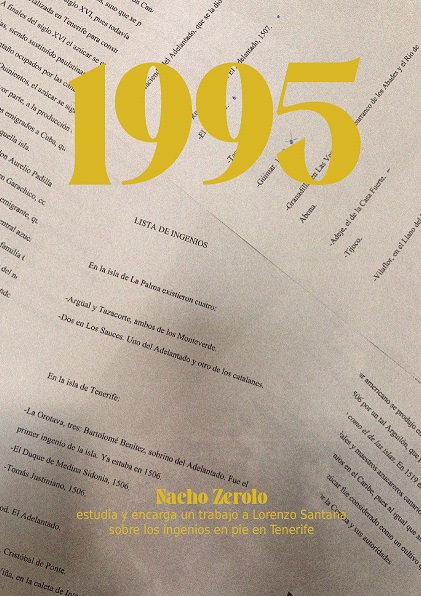
In the 1990s, Nacho Zerolo set out to launch a Tenerife rum project, researching the history, information, and locations of old sugar mills, while studying the origins of all the island’s trapiches (sugar presses).
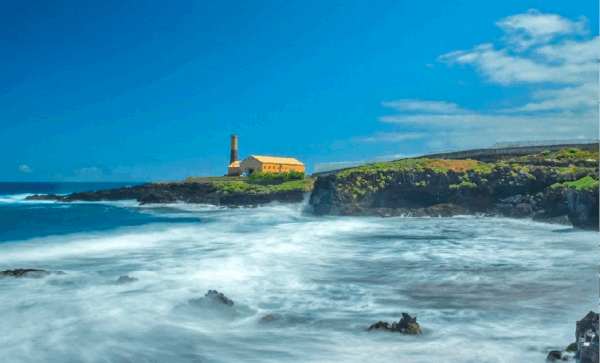
After a period of inactivity, in 2015 he finally reached out to the owners of the existing building in Caleta de Interián—formerly a banana packing plant—located near where our first plantation was established.
During all this time we have been travelling around the world visiting the main sugarcane and rum producing areas and distilleries, in places like Madeira, Martinique, Motril, Venezuela, Puerto Rico, Cuba, Jamaica, República Dominicana, etc., and countless tastings and courses have been done.
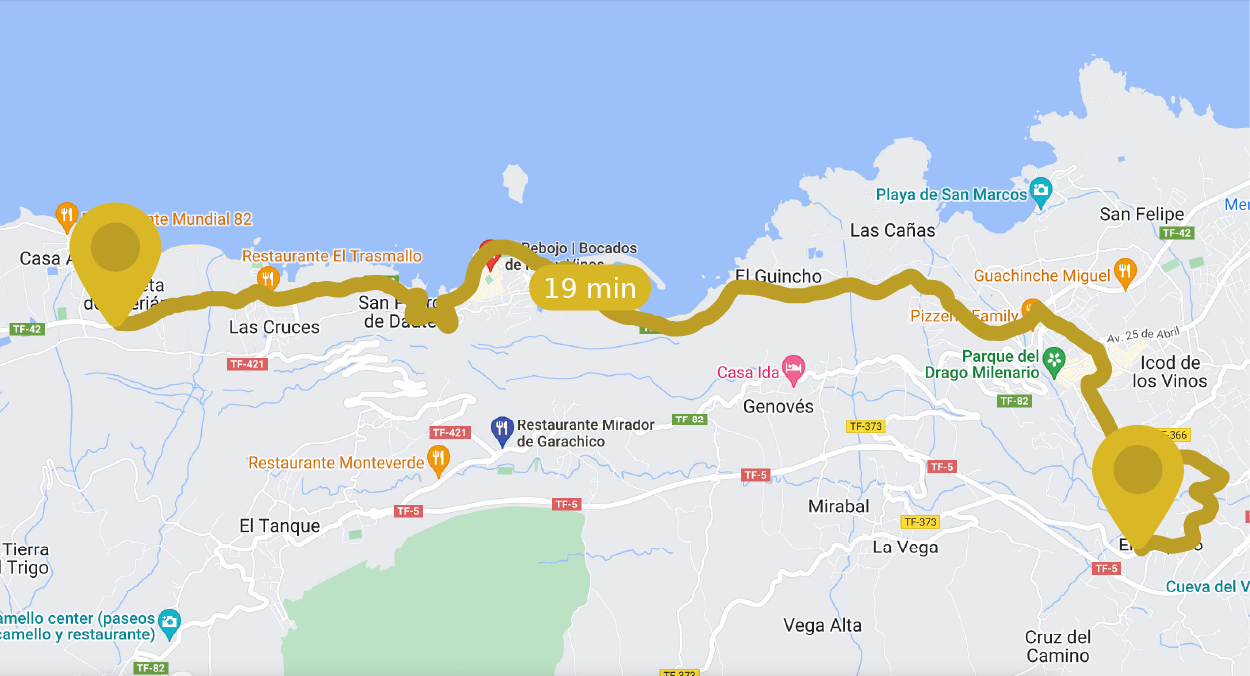
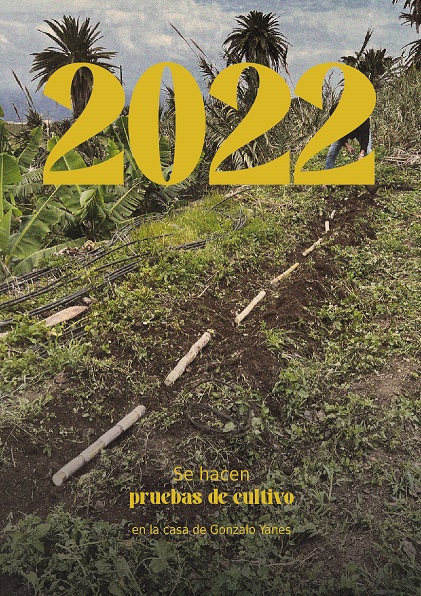
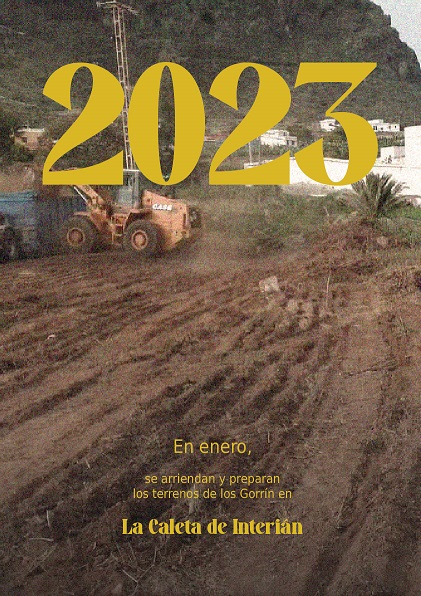
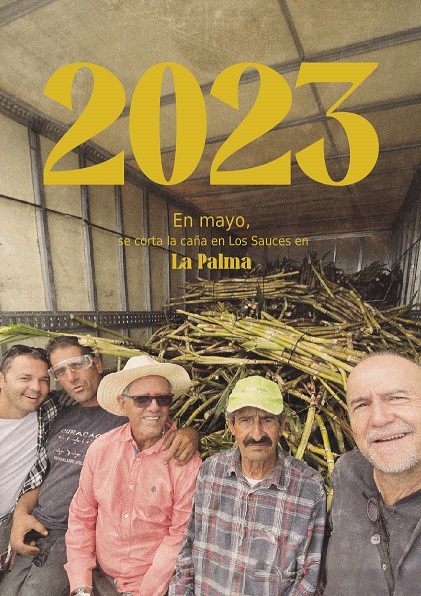
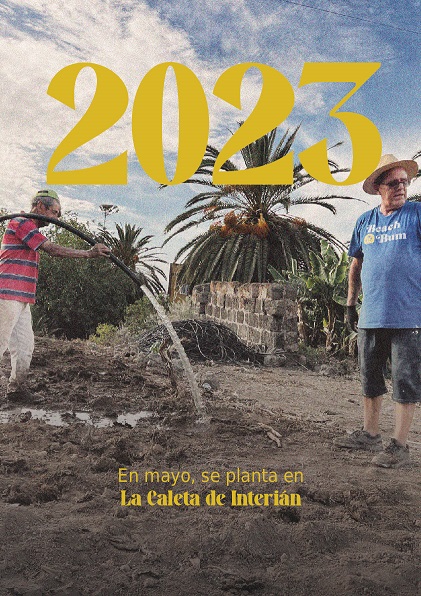
By 2000 he had already found areas where there had been sugar cane plantations. Finally, in 2022, with the help of Eloy González they planted the first sugar cane as an experimental trial, and they continued looking for recoverable territories in the area. After several attempts, they found this land. in early 2023 , which is just 2.5km away from the Caleta de Interián mill and started growing cane, with David González and several colleagues now joining the project.
THE PROJECT
In the 1990s, Nacho Zerolo set out to launch a Tenerife rum project, researching the history, information, and locations of old sugar mills, while studying the origins of all the island’s trapiches (sugar presses).
After a period of inactivity, in 2015 he finally reached out to the owners of the existing building in Caleta de Interián—formerly a banana packing plant—located near where our first plantation was established.
During all this time we have been travelling around the world visiting the main sugarcane and rum producing areas and distilleries, in places like Madeira, Martinique, Motril, Venezuela, Puerto Rico, Cuba, Jamaica, República Dominicana, etc., and countless tastings and courses have been done.
By 2000 he had already found areas where there had been sugar cane plantations. Finally, in 2022, with the help of Eloy González they planted the first sugar cane as an experimental trial, and they continued looking for recoverable territories in the area. After several attempts, they found this land. in early 2023 , which is just 2.5km away from the Caleta de Interián mill and started growing cane, with David González and several colleagues now joining the project.
FOUNDING PARTNERS
Rum lovers with feeling, taste and know-how.
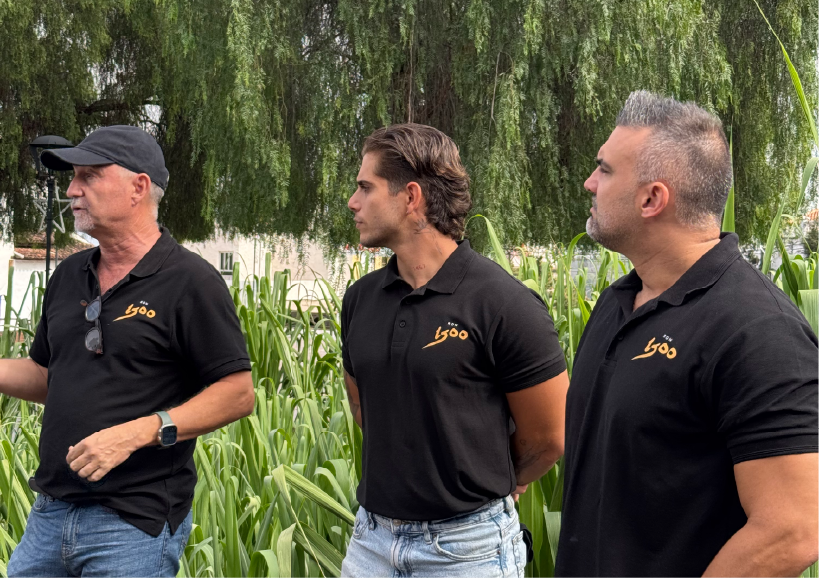
Miguel Asiain, David Calcines, David González,
Eloy González, Manuel Marichal y Nacho Zerolo.
After many years of research and visiting different distilleries in the Canary Islands and around the world, they then had the idea of selling the roots, tradition, craftsmanship and an honest and authentic traceability of rum-making, which they believed could turn the product into “an object of desire”.
They aim to have one of the best rums in the world by 2030 with a limited production and a product which is a slowly and professionally crafted from the beginning to the final product.
TIMELINE
INVESTMENT
The starting capital, according to the initial project, will be €1.123.000 for planting and initial equipment. The purchase of the house in Amparo is not included in the initial budget, and will be paid for by a mortgage to have greater cash flow earlier than expected.
Throughout 2026 we will prepare budgets based on the needs approved by the board of administrators, looking for funding from the partners or external financing from interested organizations and/or from increases in capital.

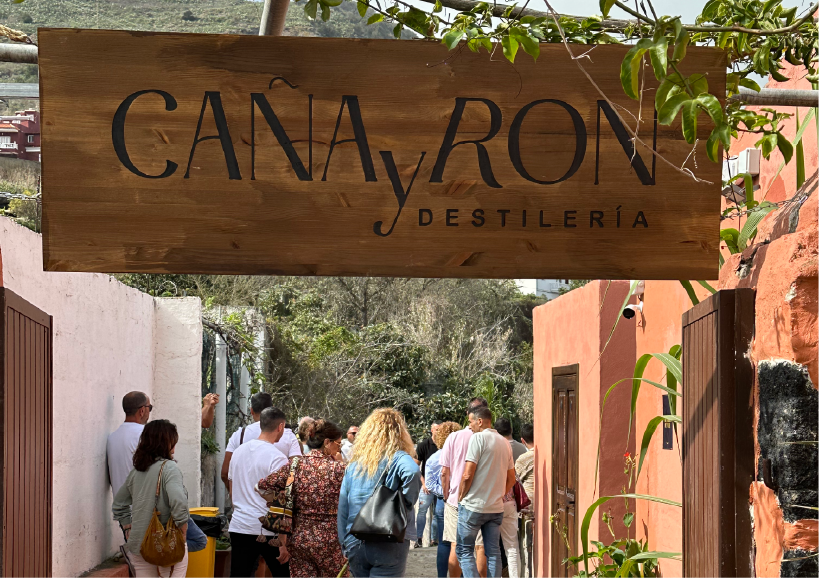
Book your visit now !
Guided tours costs 20 euros.
Book your visit



THE BACKGROUND
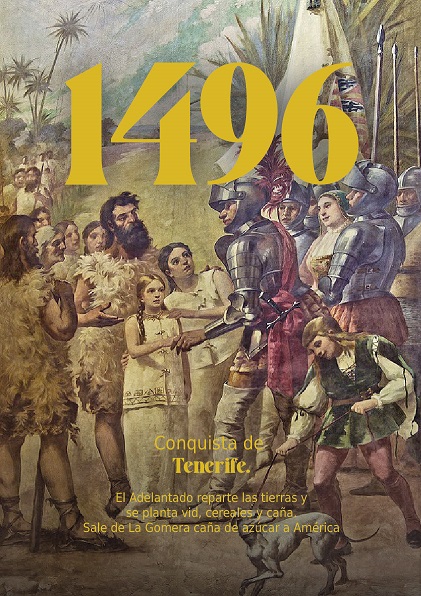
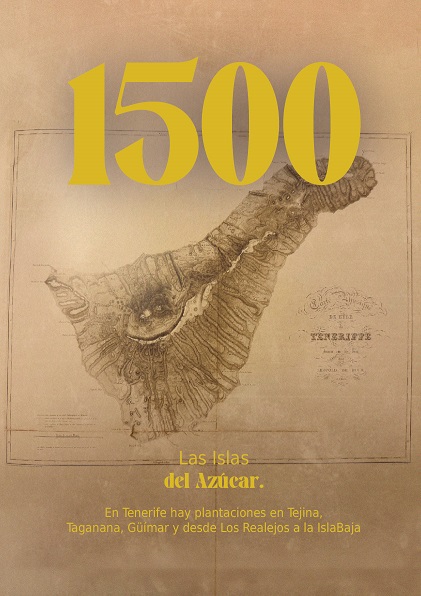
The second half of the 15th century saw the introduction of sugar cane in Madeira and the Canary Islands. There was huge demand for this exotic product in Europe and as a result the lushest Canary Islands became known as the «Sugar Islands». Sugar mills, washing houses and boilers, customs houses, defensive castles and beautiful manor houses, in the style of small palaces were built, with farmhouses in the style of the areas where the colonists came from recreated for the new inhabitants. The white and refined sugars, honeys, second honeys, alfeñiques (long or twisted confection made from sugar cane and other ingredients) and honey soups produced from the cane built a sweet bridge, with solid pillars nailed deep into the Atlantic Ocean, from the Canary Islands to the European continent, with connections to Africa and the Americas.
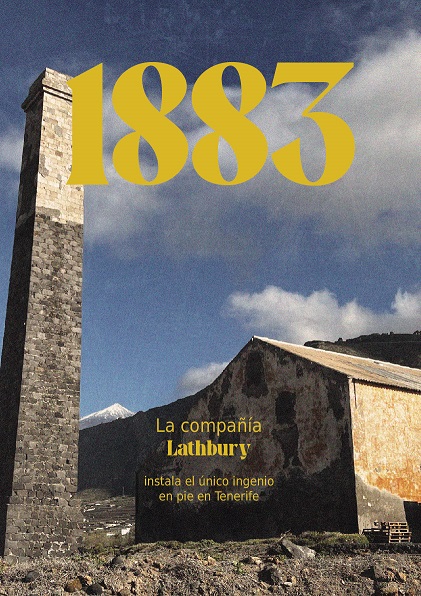
At the end of the 19th century, and most probably with the arrival of the submarine telegraph cable on the Los Silos coast in 1883, which was laid by a British telegraph company, sugar cane cultivation, first introduced to Daute (an area in the northwest of Tenerife), by the visionary Alonso de Lugo to the islands at the end of the 15th century, reappeared.
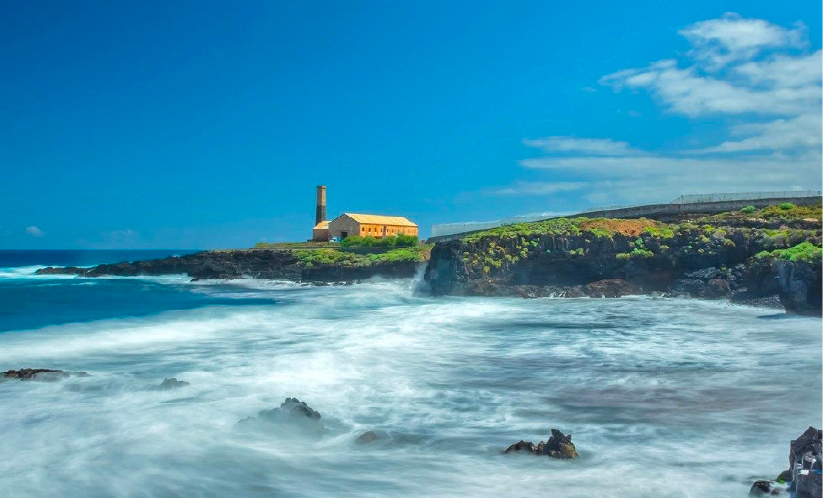
The Lathbury Company (L&Cº) planted sugar cane on the Daute Estate, the same lands where sugar cane had been originally grown 400 years before. They built the sugar mill that can be seen today on the Los Silos coast, which is one of the few 19th century buildings constructed by the British company still standing in the Canary Islands today.
The building boasts the wooden beams with the company stamp and the destination of “Dante” which was used in British ports because the fourteenth century poet was much better known than
Daute.
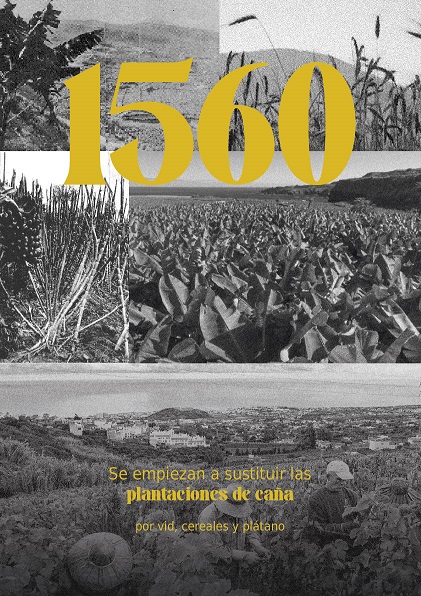
We now find ourselves in the area with the only existing sugar mill in Tenerife and in the very same place where sugar cane was reintroduced to where it was first planted after the conquest of Tenerife by the Spanish nobleman Alonso de Lugo towards the end of the fifteenth century. Sugar cane production was slowly replaced in the 16 th century by vineyards for wine production and then by tomato production. Lathbury & Co planted sugar cane again in the 19th century until it was supplanted by banana plantations in the 20th century.
Sugar cane had been grown all over this area since the 1500s, and started to be replaced for different crops when it was impossible to compete with the Caribean plantations. The small strongholds left and the Lathbury Company recoveries remained until the 1950s.
THE BACKGROUND
The second half of the 15th century saw the introduction of sugar cane in Madeira and the Canary Islands. There was huge demand for this exotic product in Europe and as a result the lushest Canary Islands became known as the «Sugar Islands». Sugar mills, washing houses and boilers, customs houses, defensive castles and beautiful manor houses, in the style of small palaces were built, with farmhouses in the style of the areas where the colonists came from recreated for the new inhabitants. The white and refined sugars, honeys, second honeys, alfeñiques (long or twisted confection made from sugar cane and other ingredients) and honey soups produced from the cane built a sweet bridge, with solid pillars nailed deep into the Atlantic Ocean, from the Canary Islands to the European continent, with connections to Africa and the Americas.
At the end of the 19th century, and most probably with the arrival of the submarine telegraph cable on the Los Silos coast in 1883, which was laid by a British telegraph company, sugar cane cultivation, first introduced to Daute (an area in the northwest of Tenerife), by the visionary Alonso de Lugo to the islands at the end of the 15th century, reappeared.
The Lathbury Company (L&Cº) planted sugar cane on the Daute Estate, the same lands where sugar cane had been originally grown 400 years before. They built the sugar mill that can be seen today on the Los Silos coast, which is one of the few 19th century buildings constructed by the British company still standing in the Canary Islands today.
The building boasts the wooden beams with the company stamp and the destination of “Dante” which was used in British ports because the fourteenth century poet was much better known than
Daute.
We now find ourselves in the area with the only existing sugar mill in Tenerife and in the very same place where sugar cane was reintroduced to where it was first planted after the conquest of Tenerife by the Spanish nobleman Alonso de Lugo towards the end of the fifteenth century. Sugar cane production was slowly replaced in the 16 th century by vineyards for wine production and then by tomato production. Lathbury & Co planted sugar cane again in the 19th century until it was supplanted by banana plantations in the 20th century.
Sugar cane had been grown all over this area since the 1500s, and started to be replaced for different crops when it was impossible to compete with the Caribean plantations. The small strongholds left and the Lathbury Company recoveries remained until the 1950s.
SUGAR MILLS
IN THE AREA