THE PROJECT

In 1990, Nacho Zerolo first embarked on a project to promote rum production in Tenerife and contacted Enrique Manescau Zerolo, the managing director of Destilerías de Tejina (Tejina Destilleries) at the time, with the aim of relaunching the rum Ron Guajiro, which was languishing at the time. He even managed to convince some venture capitalists to invest in the operation.
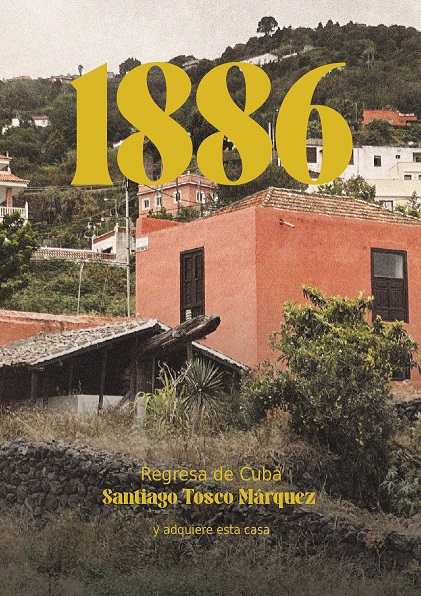
The negotiations were unsuccessful because much of the company belonged to another rum producer called Ron Arehucas. Not to be put off, Nacho Zerolo kept researching and studying the origins of all the sugar mills and sugar factories on the islands. In around 2015, he finally managed to get in touch with the owners of a still existing building in La Caleta de Interián, which was being used as a banana packaging plant at the time.
During all this time we have been travelling around the world visiting the main sugarcane and rum producing areas and distilleries, in places like Madeira, Martinique, Motril, Venezuela, Puerto Rico, Cuba, etc., and countless tastings and courses have been done.
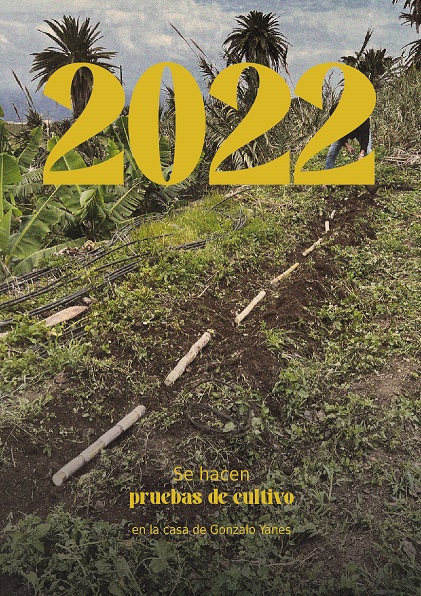
By 2000 he had already found areas where there had been sugar cane plantations. Finally, in 2022, with the help of Eloy González they planted the first sugar cane as an experimental trial, and they continued looking for recoverable territories in the area. After several attempts, they found
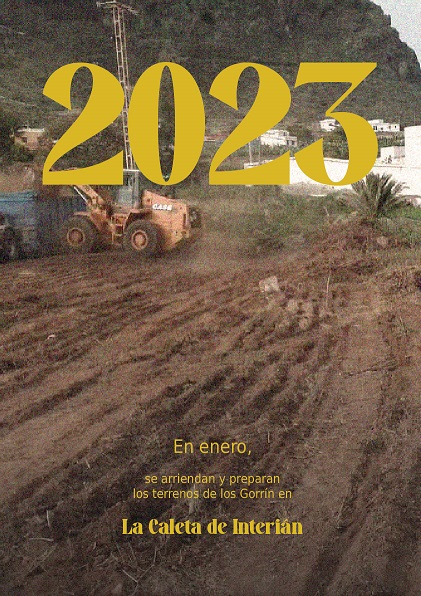
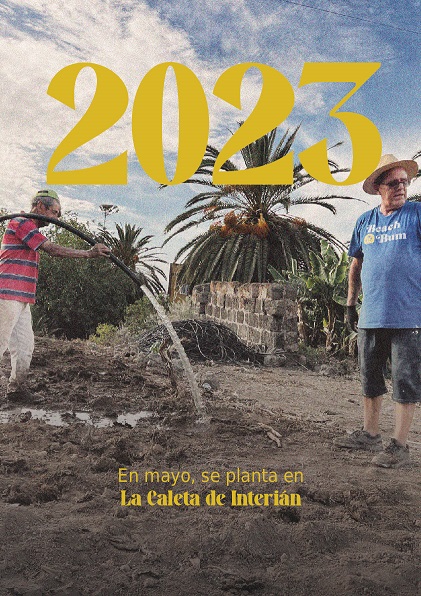
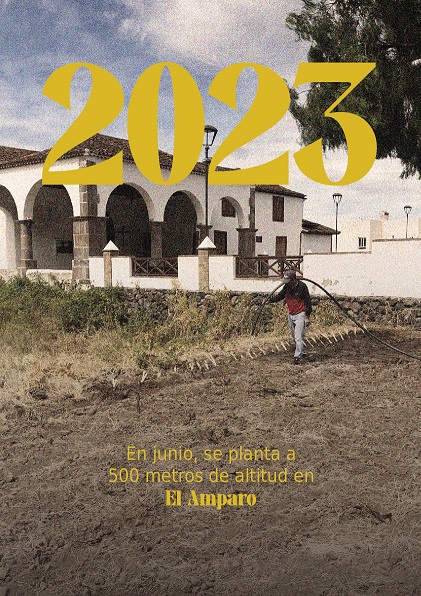
this land in early 2023, which is just 2.5km away from the Caleta de Interián mill and started growing cane, with David González and several colleagues now joining the project.
THE PROJECT
In 1990, Nacho Zerolo first embarked on a project to promote rum production in Tenerife and contacted Enrique Manescau Zerolo, the managing director of Destilerías de Tejina (Tejina Destilleries) at the time, with the aim of relaunching the rum Ron Guajiro, which was languishing at the time. He even managed to convince some venture capitalists to invest in the operation.
The negotiations were unsuccessful because much of the company belonged to another rum producer called Ron Arehucas. Not to be put off, Nacho Zerolo kept researching and studying the origins of all the sugar mills and sugar factories on the islands. In around 2015, he finally managed to get in touch with the owners of a still existing building in La Caleta de Interián, which was being used as a banana packaging plant at the time.
During all this time we have been travelling around the world visiting the main sugarcane and rum producing areas and distilleries, in places like Madeira, Martinique, Motril, Venezuela, Puerto Rico, Cuba, etc., and countless tastings and courses have been done.
By 2000 he had already found areas where there had been sugar cane plantations. Finally, in 2022, with the help of Eloy González they planted the first sugar cane as an experimental trial, and they continued looking for recoverable territories in the area. After several attempts, they found
this land in early 2023, which is just 2.5km away from the Caleta de Interián mill and started growing cane, with David González and several colleagues now joining the project.
FOUNDING PARTNERS
Rum lovers with feeling, taste and know-how.
Miguel Asiain, David Calcines, David González,
Eloy González, Manuel Marichal y Nacho Zerolo.
After many years of research and visiting different distilleries in the Canary Islands and around the world, they then had the idea of selling the roots, tradition, craftsmanship and an honest and authentic traceability of rum-making, which they believed could turn the product into “an object of desire”.
They aim to have one of the best rums in the world by 2030 with a limited production and a product which is a slowly and professionally crafted from the beginning to the final product.
TIMELINE


INVESTMENT
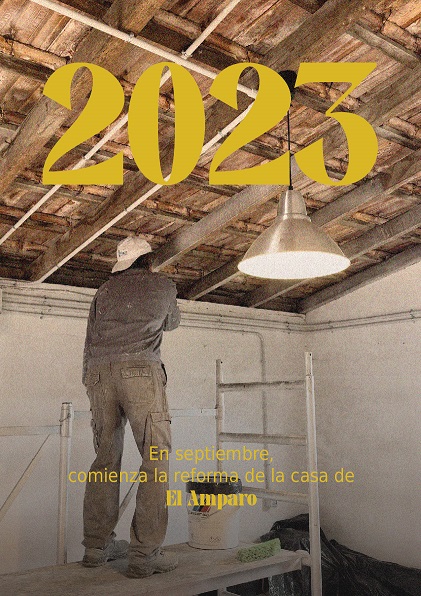
The starting capital, according to the initial project, will be €1.123.000 for planting and initial equipment. The purchase of the house in Amparo is not included in the initial budget, and will be paid for by a mortgage to have greater cash flow earlier than expected. Throughout 2026 we will prepare budgets based on the needs approved by the board of administrators, looking for funding from the partners or external financing from interested organizations and/or from increases in capital.